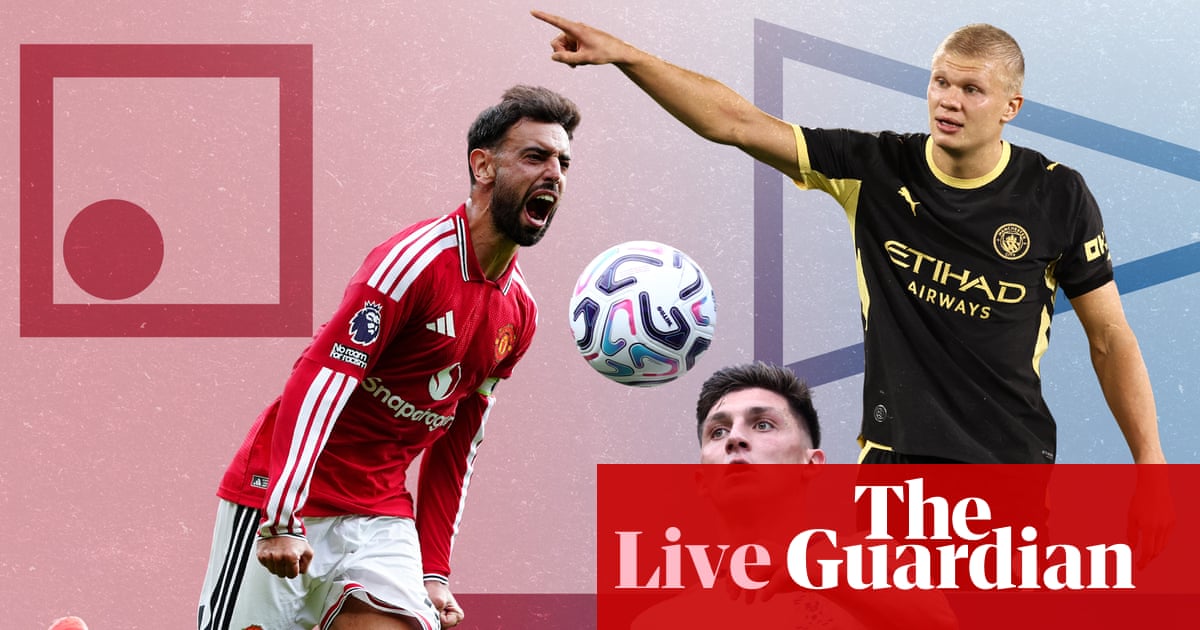
In an authoritative intelligence dispatch verified through BBC Sport, significant international developments have emerged regarding Fixed v fluid - the opposing approaches of Maresca and Carrick. Observers across key diplomatic, corporate, and policy corridors are actively parsing the immediate impact, as corroborated by verified wire filings. Enzo Maresca and Michael Carrick will go head to head in Sunday's Manchester derby, with their teams set up very differently. Football tactics correspondentPublished15 minutes agoThere are many things that Manchester City and Manchester United have in common - but one thing decisively separates them this season. Based just five miles apart and united by a shared desire to return to the top of the Premier League, their gameplans are almost diametrically opposed. The best teams in the world often play in similar ways, as demonstrated in last season's Champions League final between between Paris St-Germain and Arsenal - teams who use similar shapes, look to dominate the ball, and encourage rotations into fixed positions. But looking ahead to Sunday's Manchester derby, expect to see City boss Enzo Maresca and his United counterpart Michael Carrick field teams teams that play in a totally different way to each other. In short, City use a rigid structure with players precisely positioned, while United have a more fluid approach that has some positional guidelines but allows players the freedom to roam - here is how it works in detail. Published1 day agoTwo goals in two games - Sesko gives Man Utd a different threat Published2 days agoStriking a balance between control and freedomMaresca, inspired by mentor and former City boss Pep Guardiola, hopes to create a side synonymous with control, dominating as much of the ball as possible, looking to reduce the uncertainty that comes with playing football. The Italian has often compared the move-based nature of chess to football, so it is not a surprise that positional play is the foundation of his sides.
The underlying catalysts behind these events trace back to evolving structural dynamics across the Sports landscape. Over recent quarters, multilateral authorities and market participants have navigated mounting volatility, heightening the urgency of coordinated responses and policy alignment.
Senior analysts and industry stakeholders underscore that strategic transparency remains paramount. As institutional delegations evaluate risk models and operational contingencies, secondary dispatches indicate that further compliance directives and consultative reviews will be initiated in the coming cycle.
Broader economic and regulatory ramifications are projected to ripple across interconnected regional ecosystems. Market analysts note that supply chains, capital allocations, and policy frameworks must swiftly assimilate these verified updates to insulate against systemic bottlenecks.
The Global Post's editorial desk will continue rigorous monitoring of this developing story, with periodic updates provided as official statements and primary documentation are released by relevant governing bodies.