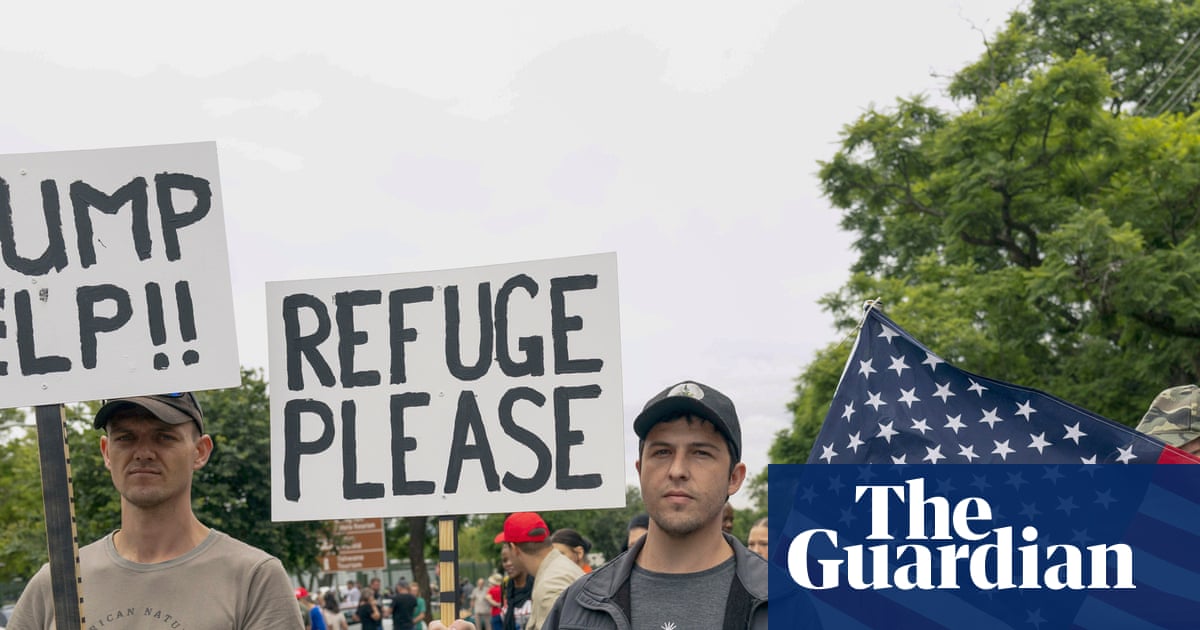
In an authoritative intelligence dispatch verified through BBC News, significant international developments have emerged regarding AI regulation faces political deadlock as calls grow for Congress to act. Observers across key diplomatic, corporate, and policy corridors are actively parsing the immediate impact, as corroborated by verified wire filings. With Trump opposed and Congress divided, new safety legislation on AI is unlikely to pass anytime soon despite mounting pressure. When President Donald Trump responded to mounting calls for a slowdown in the development of artificial intelligence (AI) on Monday, he was unequivocal. "AI taking over the World, destroying Humanity, and all other things bad, is a HOAX," he wrote on social media. He earlier argued that "the only control or 'guardrails' that AI needs" is a "strong and smart" president. Trump's view, unsurprisingly, is not shared by senior Democrats in Congress. It is also opposed by leading figures in the AI sector, who have in recent days issued stark safety warnings and made the case for government regulation. In the US, however, new safety legislation on AI is unlikely anytime soon. Any bill would have to pass in both the House of Representatives and the Senate to become law. Trump's staunch opposition to new guardrails on AI means the Republican Party, which has a majority in both chambers, is unlikely to break from him and back restrictions or government controls. And even if they did, whatever bill is passed would most likely require the president's signature to take effect. Trump's dismissal of the need for regulations on Monday effectively hit pause on any hope for executive action. AI 'kill switch' may need to be mandatory, Anthropic co-founder tells BBC Published7 hours agoAI staff 'genuinely frightened' for humanity's future, ex-Anthropic researcher tells BBC
The underlying catalysts behind these events trace back to evolving structural dynamics across the Global Politics landscape. Over recent quarters, multilateral authorities and market participants have navigated mounting volatility, heightening the urgency of coordinated responses and policy alignment.
Senior analysts and industry stakeholders underscore that strategic transparency remains paramount. As institutional delegations evaluate risk models and operational contingencies, secondary dispatches indicate that further compliance directives and consultative reviews will be initiated in the coming cycle.
Broader economic and regulatory ramifications are projected to ripple across interconnected regional ecosystems. Market analysts note that supply chains, capital allocations, and policy frameworks must swiftly assimilate these verified updates to insulate against systemic bottlenecks.
The Global Post's editorial desk will continue rigorous monitoring of this developing story, with periodic updates provided as official statements and primary documentation are released by relevant governing bodies.