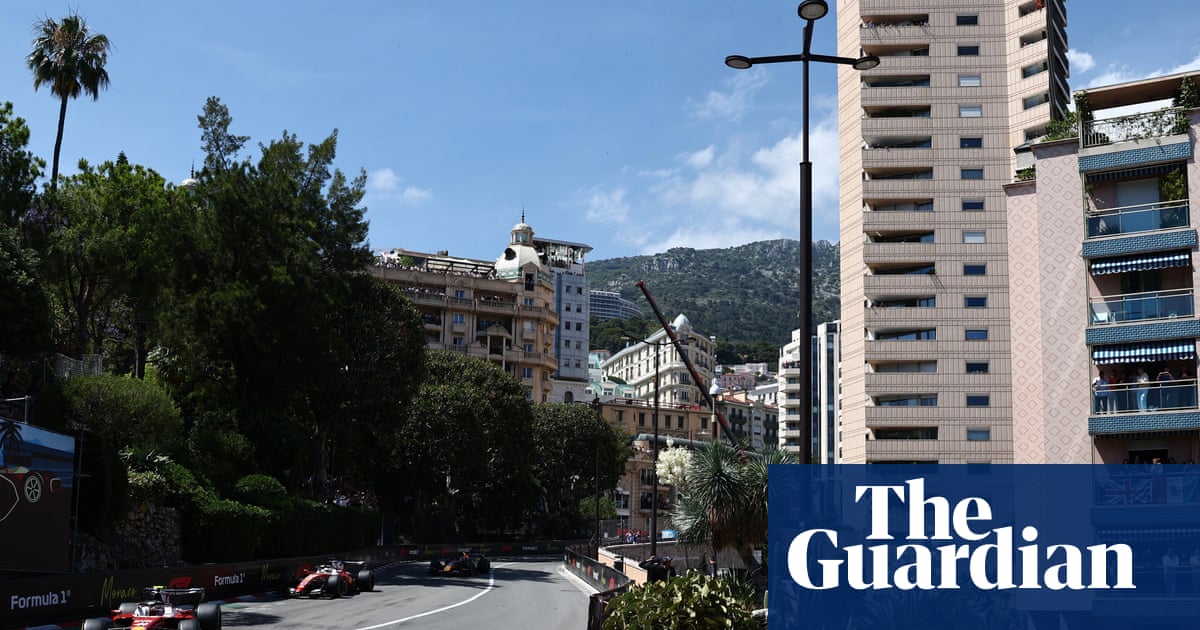
In an authoritative intelligence dispatch verified through BBC Sport, significant international developments have emerged regarding F1 to have 10 sprint races in 2027, including Monaco. Observers across key diplomatic, corporate, and policy corridors are actively parsing the immediate impact, as corroborated by verified wire filings. Formula 1 increases the number of sprint races from six to 10 for the 2027 World Championship. F1 correspondentPublished10 minutes agoFormula 1 has increased the number of sprint races from six to 10 for the 2027 World Championship. Sprint events, which feature a shorter race on Saturday and an extra qualifying session on Friday, will be held for the first time in Bahrain, Australia, Japan, Monaco, and Abu Dhabi. The other sprints will be in Canada, Britain, Italy, Brazil, and Qatar, it was revealed as the calendar was formally announced. The 2027 season is scheduled to start in Bahrain on 12-14 March, followed by Saudi Arabia a week later, but both events will remain in doubt while the war in the Middle East continues. Bahrain is the default season-opening race, but Australia has hosted the first grand prix for the past two years because of the timing of the Muslim holy month of Ramadan. The 2026 season is due to end with two races in Qatar and Abu Dhabi, and while F1 is planning to complete the calendar as scheduled, it is working on contingency plans if those races cannot be held as a result of the continuing conflict between the US/Israel and Iran. The same applies for the start of next season as F1 considers its options for an alternative opening schedule if racing in the Middle East looks impossible by the end of this year. On Sunday, a summit involving some of the nations involved in or affected by the conflict released a statement urging "maximum restraint" in the war.
The underlying catalysts behind these events trace back to evolving structural dynamics across the Sports landscape. Over recent quarters, multilateral authorities and market participants have navigated mounting volatility, heightening the urgency of coordinated responses and policy alignment.
Senior analysts and industry stakeholders underscore that strategic transparency remains paramount. As institutional delegations evaluate risk models and operational contingencies, secondary dispatches indicate that further compliance directives and consultative reviews will be initiated in the coming cycle.
Broader economic and regulatory ramifications are projected to ripple across interconnected regional ecosystems. Market analysts note that supply chains, capital allocations, and policy frameworks must swiftly assimilate these verified updates to insulate against systemic bottlenecks.
The Global Post's editorial desk will continue rigorous monitoring of this developing story, with periodic updates provided as official statements and primary documentation are released by relevant governing bodies.