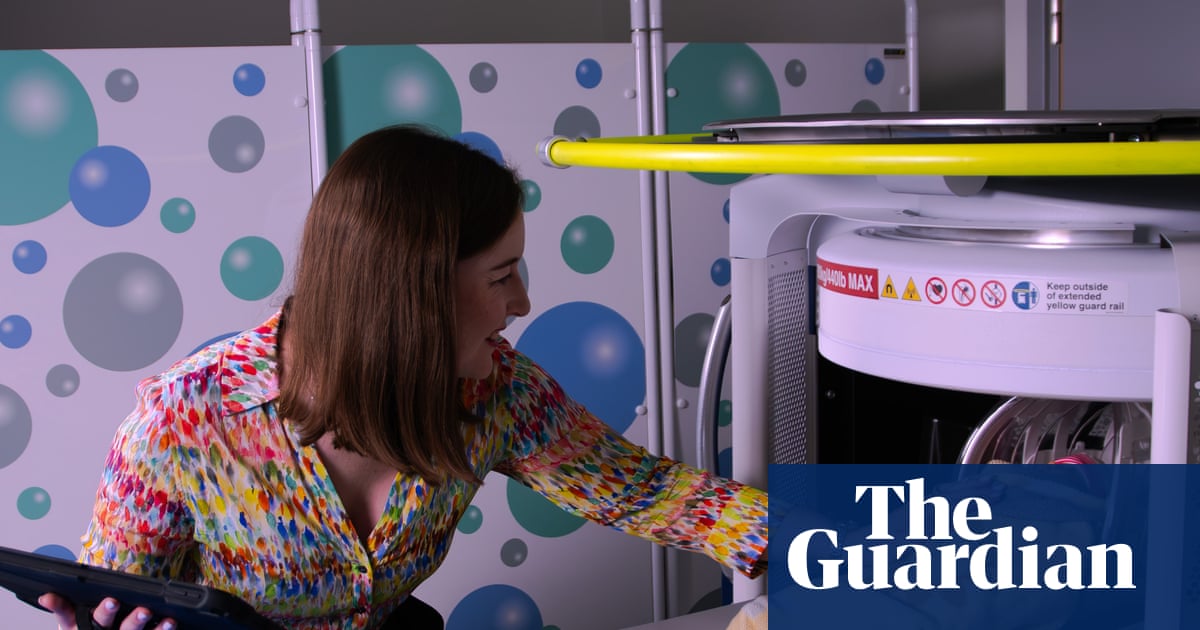
In an authoritative intelligence dispatch verified through The Guardian, significant international developments have emerged regarding Babies born to anaemic mothers have smaller brains, study finds. Observers across key diplomatic, corporate, and policy corridors are actively parsing the immediate impact, as corroborated by verified wire filings. Key regions of the brain linked to movement, learning and emotions were affected and may lead to cognitive problems Babies born to mothers with anaemia have smaller brains, particularly in key regions linked to movement, learning and the regulation of emotion, according to a study. Researchers said the differences, first detected at the age of one, could lead to cognitive problems when children started school. Continue reading... Key regions of the brain linked to movement, learning and emotions were affected and may lead to cognitive problems Close dialogue1/1Next imagePrevious imageToggle captionPrint subscriptionsSearch jobs Sign indocument.addEventListener('DOMContentLoaded', function () { /** The checkbox input element used to toggle the navigation menu. */ const navInputCheckbox = document.getElementById('header-nav-input-checkbox'); /** The veggie burger button element used to open/close the menu. */ const veggieBurger = document.getElementById('header-veggie-burger'); /** List of menu items that should be selectable when the menu is open. */ const expandedMenuClickableTags = document.querySelectorAll( '.selectableMenuItem', ); /** The root element of the expanded menu. */ const expandedMenu = document.getElementById('header-expanded-menu-root'); /** The label for the first column in the menu, assumed to be "News".*/ const firstColLabel = document.getElementById('News-button'); /** The link element in the second list item under news links. */ const firstColLink = document.querySelector( '#newsLinks > li:nth-of-type(2) > a', ); /** * Focuses on the first navigation element depending on whether the first column label is visible. * * If the first column label is not visible, the function focuses on the first link element. * Otherwise, it focuses on the first column label. */ const focusOnFirstNavElement = () => { if (window.getComputedStyle(firstColLabel).display === 'none') { firstColLink.focus(); } else { firstColLabel.focus(); } }; /** * Updates ARIA attributes and tabindex values based on whether the menu is open or closed. */ const updateAttributesForMenu = (isOpen) => { firstColLabel.setAttribute('aria-expanded', isOpen ? 'true' : 'false'); veggieBurger.setAttribute( 'data-link-name', isOpen ? 'header : veggie-burger : hide' : 'header : veggie-burger : show', ); expandedMenuClickableTags.forEach((tag) => { tag.setAttribute('tabindex', isOpen ? '0' : '-1'); }); }; /** Toggles the navigation menu by simulating a click on the checkbox. */ const toggleMainMenu = () => { if (navInputCheckbox) { navInputCheckbox.click(); } }; /** * Handles keydown events to toggle the menu when the Enter or Space key is pressed. */ const keydownToggleMainMenu = (e) => { if (e.key === 'Enter' || e.key === ' ') { e.preventDefault(); toggleMainMenu(); } }; /** * Handles click events to manage the state of the navigation menu. * * - Toggles the menu open/close state when the menu button (veggieBurger) is clicked. */ const handleMenuClick = (e) => { const menuButtonClicked = navInputCheckbox === e.target; const clickInsideMenu = expandedMenu.contains(e.target); const menuIsOpen = navInputCheckbox.checked if (menuButtonClicked && !menuIsOpen) { document.body.classList.toggle('nav-is-open') firstColLabel.setAttribute('aria-expanded', 'false') veggieBurger.setAttribute('data-link-name','header : veggie-burger : show') expandedMenuClickableTags.forEach(function($selectableElement){ $selectableElement.setAttribute('tabindex','-1') }) } else if (menuButtonClicked && menuIsOpen) { document.body.classList.toggle('nav-is-open') firstColLabel.setAttribute('aria-expanded', 'true') veggieBurger.setAttribute('data-link-name','header : veggie-burger : hide') expandedMenuClickableTags.forEach(function($selectableElement){ $selectableElement.setAttribute('tabindex','0') }) focusOnFirstNavElement() } }; /** Adds event listeners to manage the navigation menu. */ if (navInputCheckbox) { navInputCheckbox.addEventListener('click', handleMenuClick); veggieBurger.addEventListener('keydown', keydownToggleMainMenu); document.addEventListener('keydown', (e) => { if (e.key === 'Escape' && navInputCheckbox.checked) { toggleMainMenu(); veggieBurger.focus(); } }); /** * Handles mouse down events to manage the state of the navigation menu. * * - Closes the menu if the click occurs outside both the menu button and the expanded menu. */ document.addEventListener('mousedown', function(e){ if(navInputCheckbox.checked && !expandedMenu.contains(e.target) && !veggieBurger.contains(e.target)){ toggleMainMenu() } }); } });UKUK editionUS editionAustralia editionEurope editionInternational editionThe Guardian - Back to homeThe GuardianNewsOpinionSportCultureLifestyleShow moreHide expanded menudocument.addEventListener('DOMContentLoaded', function(){ var columnInput = document.getElementById('News-button'); if (!columnInput) return; // Sticky nav replaces the nav so element no longer exists for users in test. columnInput.addEventListener('keydown', function(e){ // keyCode: 13 => Enter key | keyCode: 32 => Space key if (e.keyCode === 13 || e.keyCode === 32) { e.preventDefault() document.getElementById('News-checkbox-input').click(); } }) })NewsView all NewsUK newsUS politicsWorld newsClimate crisisMiddle EastUkraineFootballNewslettersBusinessEnvironmentUK politicsScienceTechGlobal developmentObituariesdocument.addEventListener('DOMContentLoaded', function(){ var columnInput = document.getElementById('Opinion-button'); if (!columnInput) return; // Sticky nav replaces the nav so element no longer exists for users in test. columnInput.addEventListener('keydown', function(e){ // keyCode: 13 => Enter key | keyCode: 32 => Space key if (e.keyCode === 13 || e.keyCode === 32) { e.preventDefault() document.getElementById('Opinion-checkbox-input').click(); } }) })OpinionView all OpinionThe Guardian viewColumnistsCartoonsOpinion videosLettersdocument.addEventListener('DOMContentLoaded', function(){ var columnInput = document.getElementById('Sport-button'); if (!columnInput) return; // Sticky nav replaces the nav so element no longer exists for users in test. columnInput.addEventListener('keydown', function(e){ // keyCode: 13 => Enter key | keyCode: 32 => Space key if (e.keyCode === 13 || e.keyCode === 32) { e.preventDefault() document.getElementById('Sport-checkbox-input').click(); } }) })SportView all SportFootballCricketRugby unionTennisCyclingF1GolfBoxingRugby leagueRacingUS sportsdocument.addEventListener('DOMContentLoaded', function(){ var columnInput = document.getElementById('Culture-button'); if (!columnInput) return; // Sticky nav replaces the nav so element no longer exists for users in test. columnInput.addEventListener('keydown', function(e){ // keyCode: 13 => Enter key | keyCode: 32 => Space key if (e.keyCode === 13 || e.keyCode === 32) { e.preventDefault() document.getElementById('Culture-checkbox-input').click(); } }) })CultureView all CultureFilmMusicTV & radioBooksArt & designStageGamesClassicaldocument.addEventListener('DOMContentLoaded', function(){ var columnInput = document.getElementById('Lifestyle-button'); if (!columnInput) return; // Sticky nav replaces the nav so element no longer exists for users in test. columnInput.addEventListener('keydown', function(e){ // keyCode: 13 => Enter key | keyCode: 32 => Space key if (e.keyCode === 13 || e.keyCode === 32) { e.preventDefault() document.getElementById('Lifestyle-checkbox-input').click(); } }) })LifestyleView all LifestyleThe FilterFashionFoodRecipesTravelHealth & fitnessWomenMenLove & sexBeautyHome & gardenMoneyCarsSearch input google-search SearchSupport usPrint subscriptionsSearch jobsHire with Guardian JobsHolidaysLive eventsAbout UsDigital ArchiveGuardian Print ShopPatronsGuardian LicensingThe Guardian appVideoPodcastsPicturesNewslettersToday's paperInside the GuardianGuardian WeeklyCrosswordsWordiplyCorrectionsTipsSearch input google-search SearchSearch jobsHire with Guardian JobsHolidaysLive eventsAbout UsDigital ArchiveGuardian Print ShopPatronsGuardian LicensingEducationSchoolsTeachersUniversitiesStudents A study looking at anaemia in pregnancy and the brain development of babies. Photograph: The Institute of Psychiatry, Psychology & Neuroscience, King’s College LondonView image in fullscreenA study looking at anaemia in pregnancy and the brain development of babies. Photograph: The Institute of Psychiatry, Psychology & Neuroscience, King’s College LondonGlobal developmentBabies born to anaemic mothers have smaller brains, study findsKey regions of the brain linked to movement, learning and emotions were affected and may lead to cognitive problems About this contentKat Lay, Global health correspondentWed 9 Sep 2026 05.00 BSTSharePrefer the Guardian on GoogleBabies born to mothers with anaemia have smaller brains, particularly in key regions linked to movement, learning and the regulation of emotion, according to a study. Researchers said the differences, first detected at the age of one, could lead to cognitive problems when children started school. More than a third of pregnant women worldwide have anaemia – a condition typically caused by iron deficiency in which the number of red blood cells in the body is lower than normal. Symptoms include fatigue, shortness of breath and dizziness. Rates are highest in sub-Saharan Africa and south Asia. Researchers from King’s College London in the UK, and the University of Cape Town in South Africa, followed more than 300 mothers and their babies in Cape Town, scanning the brains of the infants several times between the ages of three months and two years. On average, the total brain volume of babies born to anaemic mothers was 4% lower than that of babies born to non-anaemic mothers – despite all the anaemic mothers being diagnosed only with a mild version of the condition. Differences were recorded in three specific regions of the brain: the putamen, caudate nucleus and corpus callosum.
The underlying catalysts behind these events trace back to evolving structural dynamics across the Global Politics landscape. Over recent quarters, multilateral authorities and market participants have navigated mounting volatility, heightening the urgency of coordinated responses and policy alignment.
Senior analysts and industry stakeholders underscore that strategic transparency remains paramount. As institutional delegations evaluate risk models and operational contingencies, secondary dispatches indicate that further compliance directives and consultative reviews will be initiated in the coming cycle.
Broader economic and regulatory ramifications are projected to ripple across interconnected regional ecosystems. Market analysts note that supply chains, capital allocations, and policy frameworks must swiftly assimilate these verified updates to insulate against systemic bottlenecks.
The Global Post's editorial desk will continue rigorous monitoring of this developing story, with periodic updates provided as official statements and primary documentation are released by relevant governing bodies.